
The Windrose Journal
A Waldorf Blog
The Windrose Journal is a grounded, thoughtful space where stories, reflections, and insights from the Waldorf School of DuPage community come together—past, present, and future. Like a compass rose, it helps orient families, educators, and alumni as we navigate the evolving world of Waldorf education and child development. Here, you’ll find a meaningful blend of tradition and innovation, sharing voices that illuminate the heart of our school. Whether you're seeking inspiration, perspective, or connection, The Windrose Journal offers guidance rooted in experience and purpose.
You can explore posts by topic or simply scroll down to see our most recent content. Happy reading!

Meet Ms. Katelin: A Warm, Nurturing Presence for Your Little One
"People will never forget how you made them feel." Meet Ms. Katelin, whose Waldorf training and years of nurturing experience ensure every young child feels safe, welcomed, and truly cared for.
New Beginnings in Early Childhood at WSD
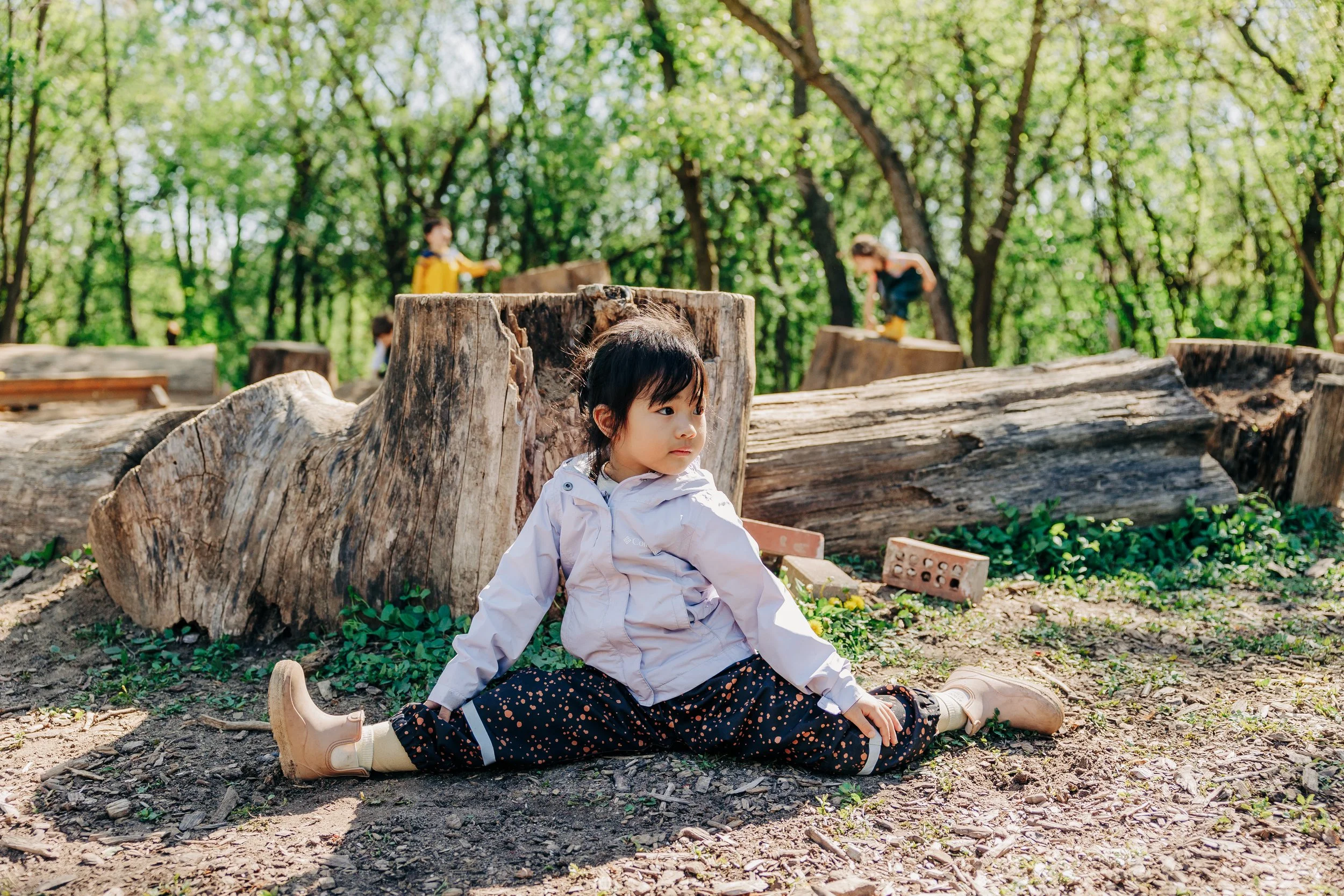
We are delighted to welcome wonderful educators to our Early Childhood program this year. From longtime community connections to rich backgrounds in education, music, language, and the arts each teacher brings warmth, creativity, and a deep love for children to WSD. We cannot wait for families to meet them and experience the joy they will bring to our classrooms and community.
What the Research Says About Play-Based Learning
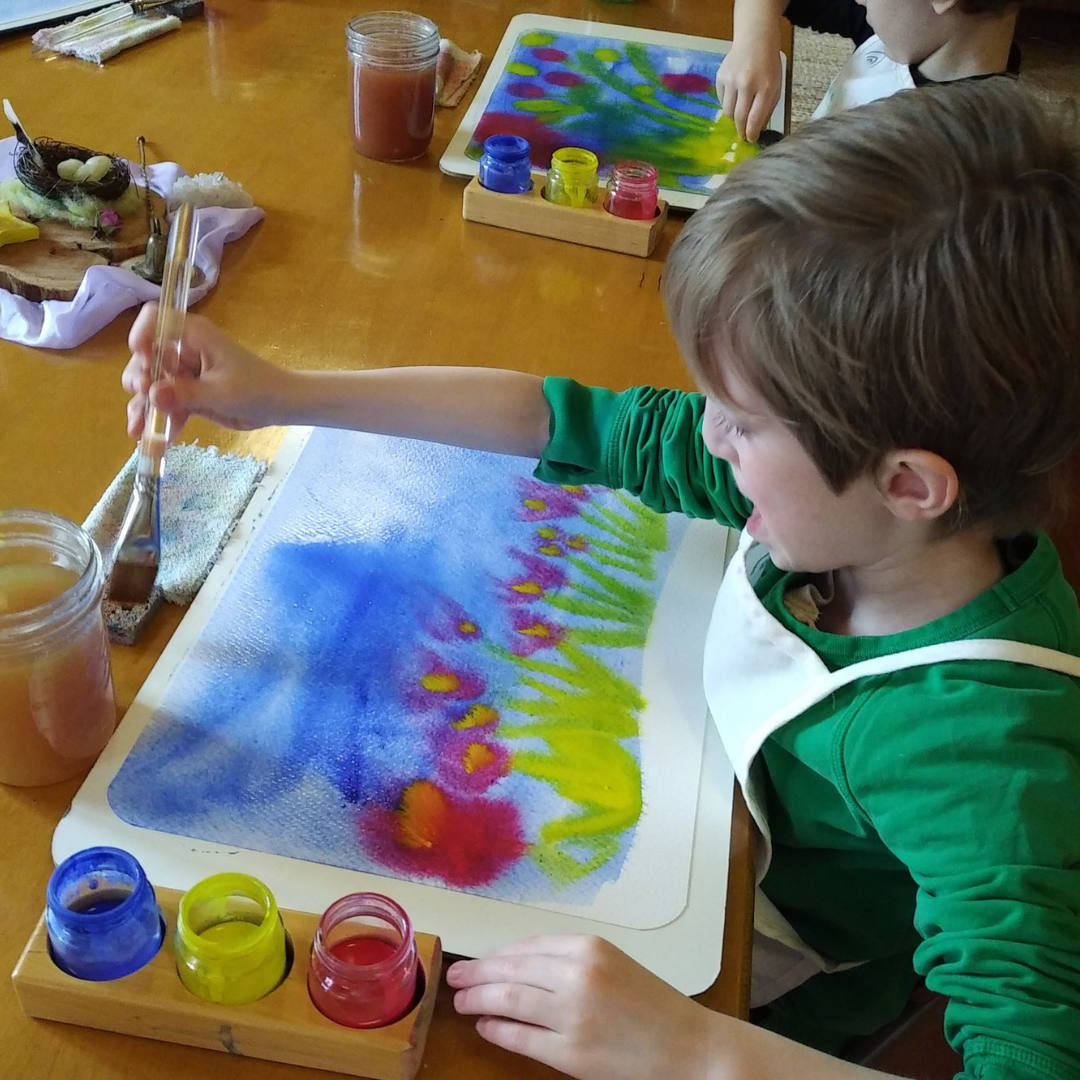
Will a play-based preschool prepare your child? Decades of research say yes.
Children develop essential skills like focus, self-regulation, problem-solving, and creativity through meaningful play—skills that support long-term academic success. In this article, we explore what developmental science says about play-based learning and how The Waldorf School of DuPage helps children build a strong foundation for first grade and beyond.
The Gift of an Unhurried Childhood: Why Early Childhood Should Be Filled with Wonder, Movement, and Play
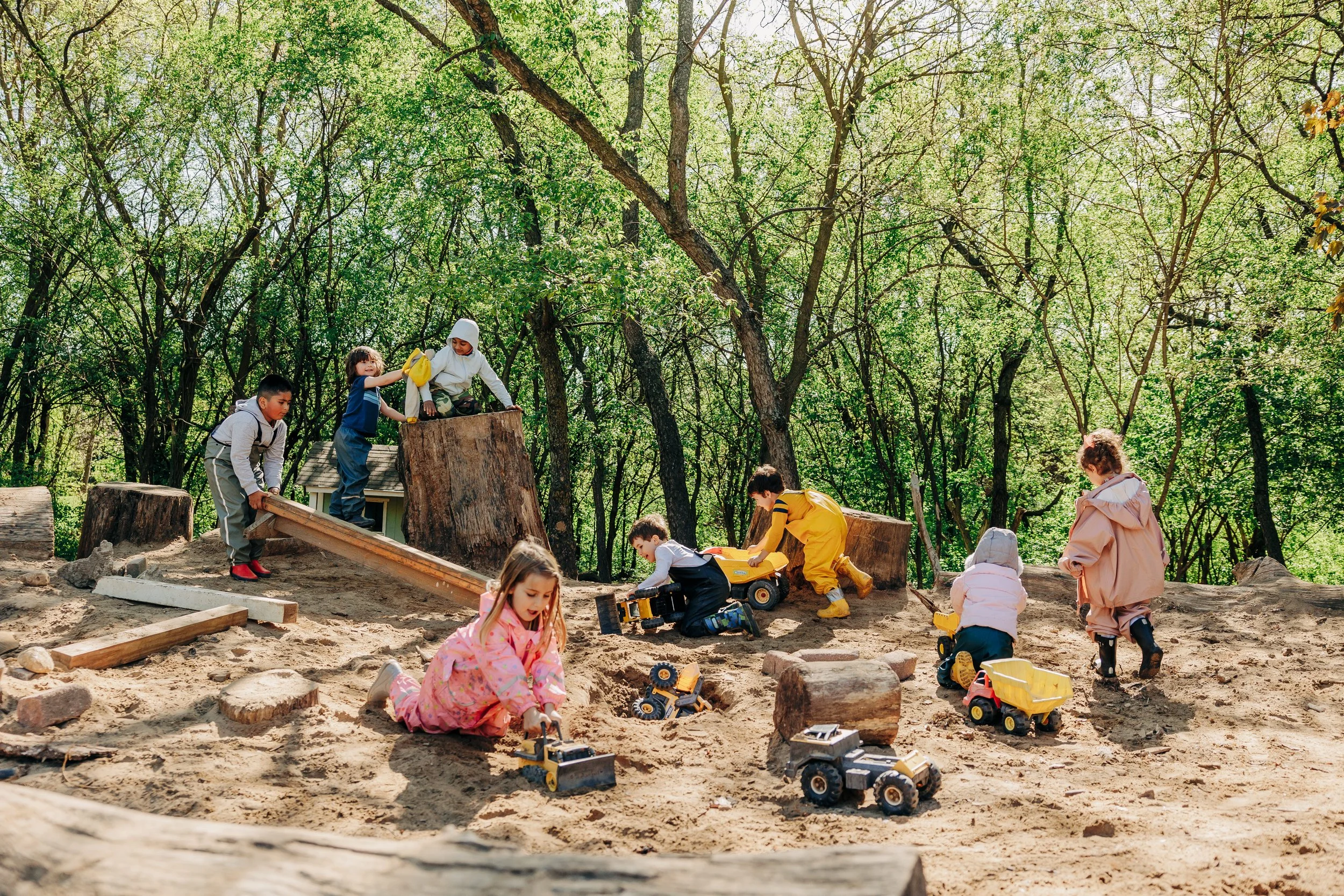
In today's world of early academics, many parents wonder if play-based preschool is enough. At The Waldorf School of DuPage, we believe that an unhurried childhood builds the foundation for lifelong learning. Discover how imagination, movement, and meaningful play help children develop the confidence, focus, and resilience they need to thrive in first grade and beyond.
Creating a Home That Invites Independent Play
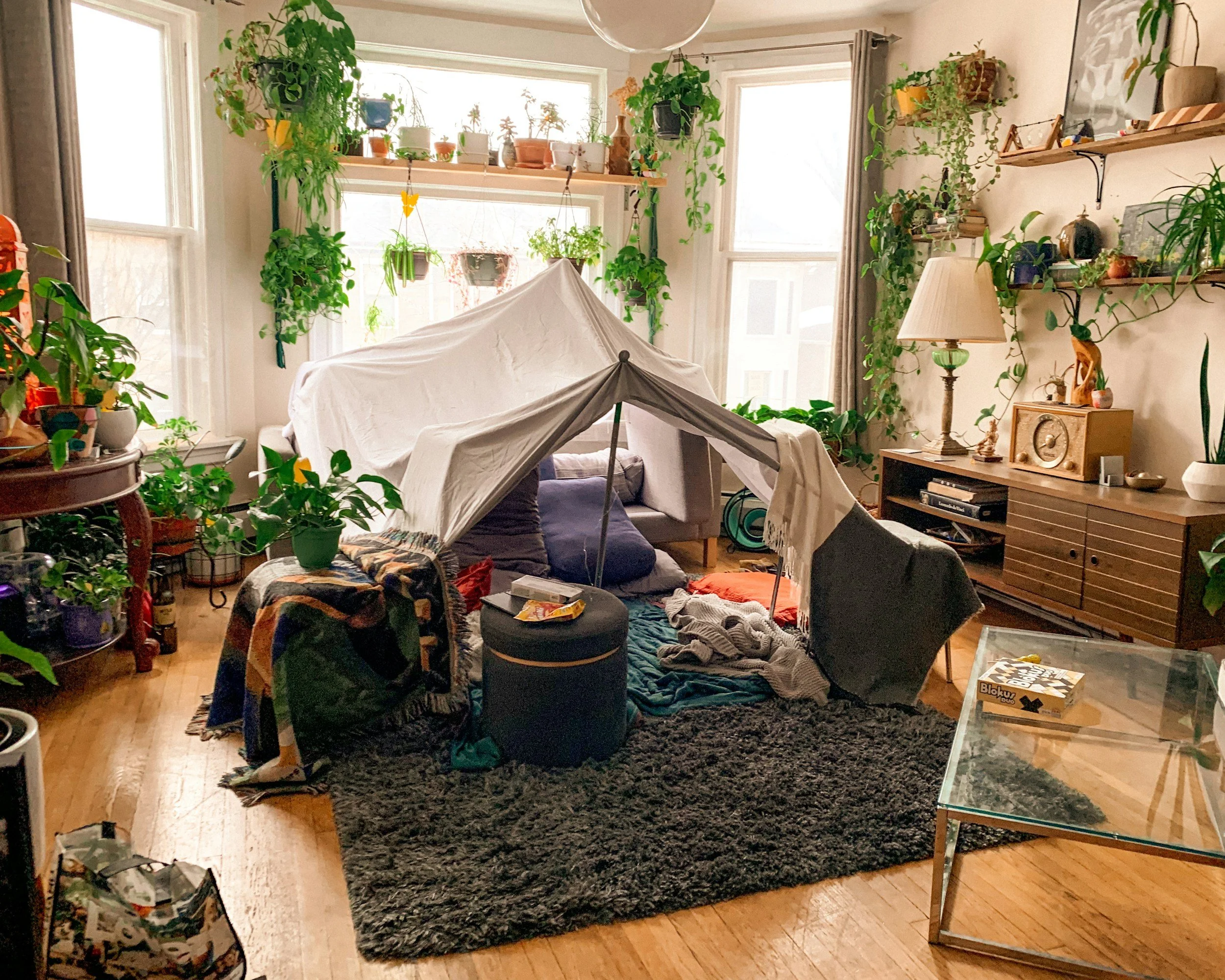
When the environment is set up with intention, children don’t need to ask what to do or wait for direction. They begin on their own and stay longer. Less screen time doesn’t come from restrictions at this age. It comes from a space that quietly says, “You can start here.”
Why Waldorf Schools Introduce Formal Academics in First Grade
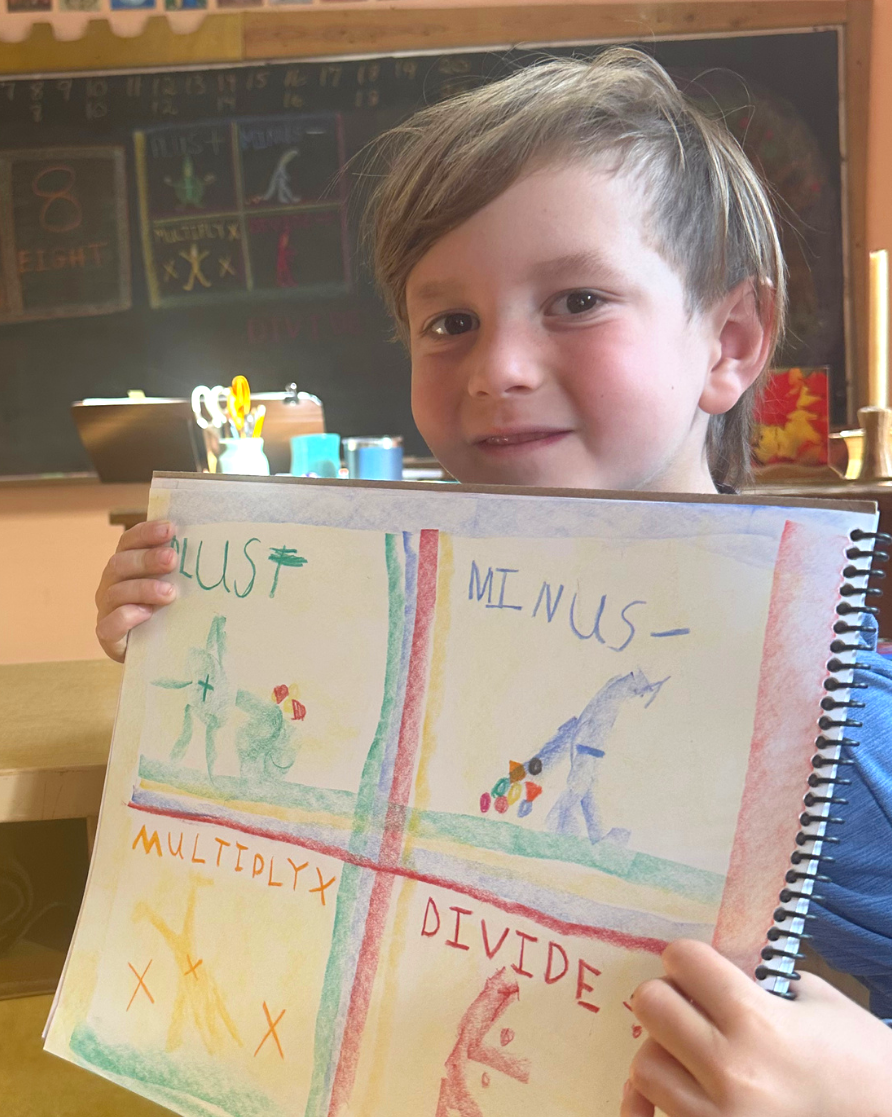
Why do Waldorf schools begin formal academics in first grade? At The Waldorf School of DuPage, this intentional, developmentally driven approach supports children’s readiness, confidence, and long-term academic success. Learn how play, imagination, and foundational skills in early childhood prepare students to thrive when formal learning begins.
Nurturing the Foundational Senses at Home
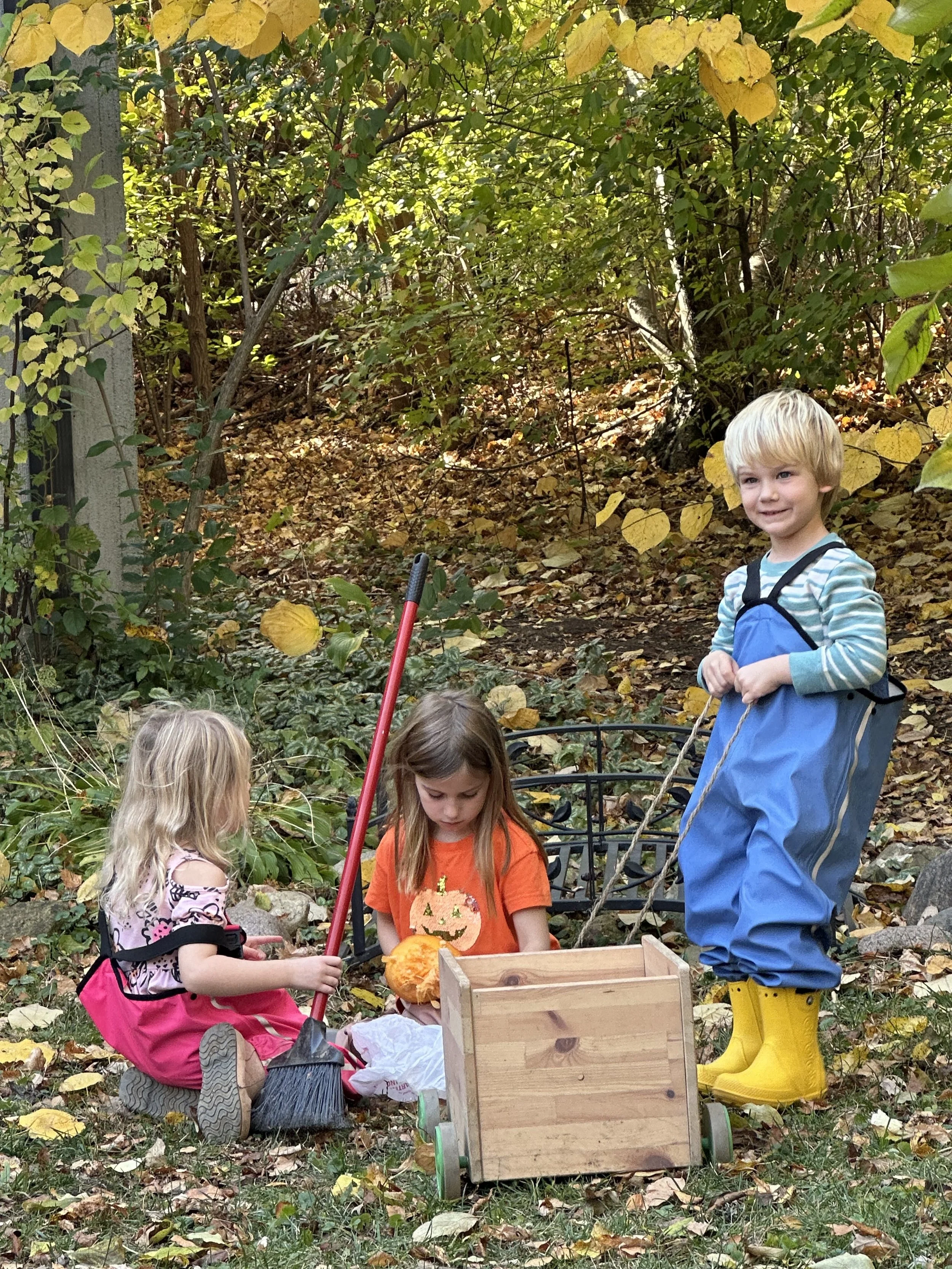
As parents and caregivers, we play a vital role in nurturing the healthy development of these early senses—touch, life, self-movement, and balance. By offering a calm, loving environment filled with warmth, rhythm, and meaningful movement, we help lay the foundation for our children’s lifelong well-being, learning, and inner confidence
Explore Posts by Topic
Waldorf Curriculum
Waldorf Teachers

WSD Festivals
Early Childhood

Upper Grades
